The screen flickers, a familiar logo appears, and suddenly, you're not just watching a movie; you're entering a universe. From theme park rides that feel like living narratives to video games that deepen character backstories, today's most beloved stories are no longer confined to a single medium. This isn't just about sequels or spin-offs; it's about a fundamental shift in how narratives are created, consumed, and experienced. The modern phenomenon of Franchise Evolution & Adaptations has radically reshaped popular culture, driving unprecedented media crossovers and fueling an intense, often interactive, form of fan engagement.
We live in the "franchise era," where content isn't just transferred from a book to a film, but rather lives, breathes, and mutates across an ever-expanding array of platforms. This dynamic interplay between stories, mediums, and audiences is where the magic—and the immense commercial power—truly lies.
At a Glance: Navigating the Modern Franchise Landscape
- Adaptation Redefined: It's no longer just novel-to-film; it's a multi-directional flow across pages, screens, stages, games, and parks.
- Interconnectedness is Key: Media industries are more intertwined than ever, fostering massive, cross-platform narratives.
- Fans as Co-Creators: Audiences actively participate, remixing and remaking their favorite stories, influencing future adaptations.
- Strategic Expansion: Franchises grow by thoughtfully expanding into new formats, building cohesive yet diverse experiences.
- Balancing Act: Producers must navigate consistency, novelty, and fan expectations across a complex intertextual playground.
- The Future is Fluid: Expect more immersive, personalized, and interactive ways to engage with evolving franchises.
Beyond the Book: Redefining "Adaptation" in the Franchise Era
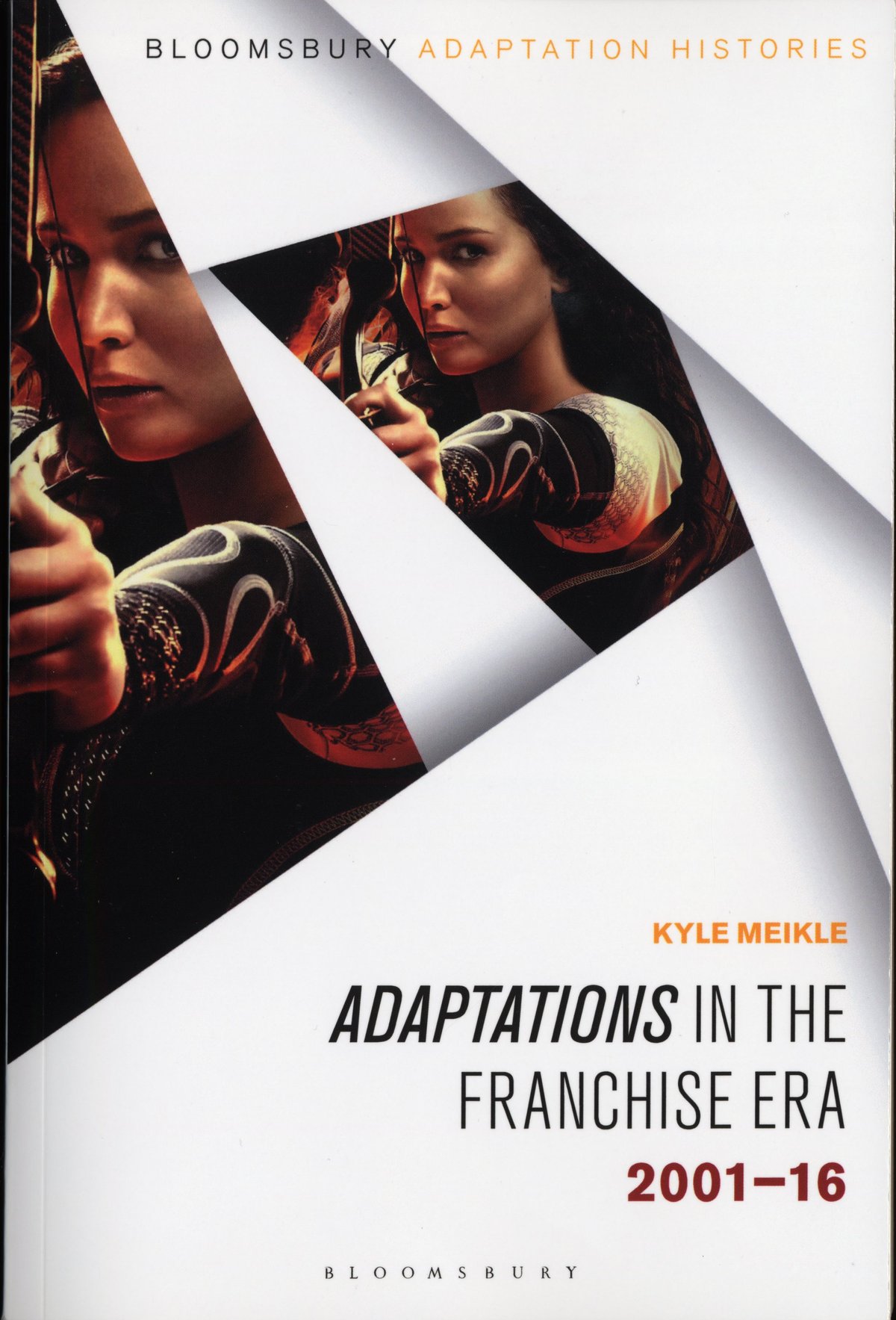
For decades, the term "adaptation" largely conjured images of a literary classic making its way to the big screen. A novel became a film; a play became a movie. It was a linear, often one-way, transfer of story from one distinct medium to another. But as rising scholar Kyle Meikle observes in "Adaptations in the Franchise Era: 2001-16," the early twenty-first century fundamentally changed this paradigm. We’ve entered an age where content and audiences move across more media borders than ever before, prompting new questions about adaptation's form and function.
Think about it: when you immerse yourself in a sprawling fantasy epic, your journey might begin with a book, lead you to a film series, then an animated TV show, a video game, an app, and perhaps even a live theatrical experience. Each touchpoint offers a new angle, a fresh perspective, and a unique way to engage with the same core narrative and characters. This isn't merely "transfer"; it's a strategic, often symbiotic, expansion.
The growing interconnectedness of media and media industries means that adaptation is now both a product (the film itself) and a process (the ongoing negotiation of how a story unfolds across platforms). It's less about a faithful translation and more about strategic transformation, allowing a franchise to live simultaneously in multiple iterations while retaining its foundational identity. This continuous intertextual play defines how producers and consumers alike understand—and create—these multifaceted narrative worlds.
The Rise of the Multiplexed Universe: How Adaptations Build Empires
The concept of a "universe" isn't new in storytelling, but its execution in the franchise era is unparalleled. Adaptations have become the very bedrock upon which these vast narrative empires are constructed. They don't just retell a story; they multiply it, adding layers of depth, expanding horizons, and drawing in new audiences through diverse entry points.
Consider the foundational role of multiplexed film series. What started as successful individual movies rapidly evolved into interconnected sagas, each entry building upon the last while also adapting elements from a broader lore. These films often serve as the central tentpoles, providing the primary narrative spine around which an entire universe can coalesce.
Then came the streaming revolution. Television's foray into original programming wasn't just about creating new stories; it became a crucial avenue for expanding existing franchises. Spin-off series could delve into side characters, explore different timelines, or bridge gaps between cinematic releases. This allowed for more nuanced character development and world-building that a two-hour movie might not afford, keeping audiences engaged between major film releases.
Beyond passive viewing, adaptations found their way directly into audiences' hands through apps and video games. A game might put you in the shoes of a hero, allowing you to influence the narrative in ways a film cannot. Mobile apps offer lore tidbits, interactive comics, or even augmented reality experiences that blend the fictional world with your own. These interactive adaptations are vital for deepening engagement, transforming viewers into active participants. For instance, understanding the intricate mechanics of future racing or the evolution of advanced technology can often be best experienced in an interactive format. When you explore Speed Racer's next generation, you're not just watching; you're potentially engaging with an expanded universe through new characters, storylines, and even interactive elements that weren't present in the original animated series or film.
And let's not forget the magic of live experiences. Theatrical productions on Broadway, immersive escape rooms, and elaborate theme park attractions transform fictional worlds into tangible realities. These aren't mere replicas; they are adaptations that leverage the unique possibilities of live performance and physical space to create entirely new forms of engagement, proving that a story can transcend its original form and literally come to life around you.
The Two-Way Street: How Fans Drive Franchise Evolution
The franchise era isn't just about top-down content creation; it's profoundly shaped by a vibrant, often vocal, audience. Fans, in this interconnected age, are far from passive consumers. They are active participants, critics, and often, co-creators, contributing to what Meikle describes as a "proliferation of adaptation" by fans themselves.
Think about the sheer volume of fan-made content: elaborate fan fiction that explores alternative universes or expands on existing lore, stunning cosplay that brings characters to life, intricate fan art, and countless online remixes and remakes. These aren't just hobbies; they're acts of adaptation, where fans take the raw material of a franchise and reshape it to their own desires, filling gaps, correcting perceived missteps, or simply extending the joy of their favorite stories.
Online communities and social media platforms amplify this phenomenon. Fandoms become hubs of discussion, analysis, and creative output. This collective engagement not only fosters a powerful sense of community but also provides invaluable feedback to franchise creators. Savvy producers recognize this and often tap into fan engagement, whether through commissioning official fan art, incorporating fan-suggested ideas into canon, or simply listening to discussions to gauge audience sentiment.
This dynamic creates a fascinating feedback loop: the official adaptations inspire fan creations, which in turn can influence future official adaptations. It blurs the lines between producer and consumer, making franchise evolution a truly collaborative, albeit often chaotic, endeavor. The strength of a modern franchise often lies not just in its official output, but in the enduring passion and creativity of its dedicated fanbase.
Navigating the Intertextual Play: Strategies for Producers
Building and managing a successful, evolving franchise in this complex landscape requires more than just good storytelling; it demands strategic vision and meticulous execution. For producers, it's about walking a tightrope between expansion and dilution, innovation and fidelity.
Building Cohesive Universes
One of the greatest challenges is maintaining a sense of continuity and consistency across diverse media. When a story exists as a film, a TV show, a comic book, and a video game, ensuring that character arcs, world rules, and lore remain coherent is paramount. This often requires a dedicated "story bible" or a team of lore masters who oversee all adaptations. Inconsistencies can alienate fans who have invested deeply in the universe, undermining the very trust that franchises are built upon.
Strategic Licensing & Partnerships
Expanding a franchise beyond its original medium almost always involves partnerships. Licensing agreements with game studios, merchandise manufacturers, or theme park developers are crucial. The key is to choose partners who understand the core essence of the franchise and can translate it respectfully and innovatively into their respective medium. A poorly executed adaptation, even by a third party, can damage the overall brand perception.
Balancing Novelty with Fidelity
Each new adaptation, whether it's a video game or a theatrical play, must offer something fresh and compelling while remaining true to the spirit of the original. Audiences crave new experiences, but they also expect the foundational elements they love to be present. This balance is tricky: stray too far, and you risk alienating loyal fans; stick too close, and you might fail to capture new audiences or offer a compelling reason to engage with the new medium. Successful adaptations understand the strengths of their new medium and leverage them to enhance, rather than merely replicate, the original narrative.
Pitfall: Over-saturation or Dilution
The allure of endless expansion can lead to over-saturation. If a franchise appears everywhere, all the time, without careful thought, it risks losing its special appeal. Too many low-quality adaptations or spin-offs can dilute the brand's power, making audiences feel fatigued rather than excited. The goal is strategic growth, not just growth for growth's sake. Each new adaptation should feel justified, adding meaningful value to the overall universe.
The Consumer's Journey: Why We Love to Re-Experience
Why are we, as consumers, so drawn to these ever-expanding, multi-platform franchises? It's more than just a love for a good story; it taps into several fundamental human desires.
First, there's the psychology of familiarity and novelty. We crave the comfort of revisiting beloved characters and worlds, but we also seek new perspectives and fresh experiences. Adaptations expertly deliver this by offering known quantities in new, exciting formats. Seeing a familiar character portrayed by a new actor, exploring a known landscape in a video game, or experiencing a story live on stage, all provide a fresh lens through which to engage with something deeply cherished.
Different mediums inherently offer different types of engagement. A film provides a curated, immersive visual and auditory journey. A video game grants agency, allowing you to influence outcomes and inhabit the role of a hero. A stage play offers an intimate, unrepeatable live experience. Each format stimulates different senses and cognitive processes, deepening our connection to the narrative in unique ways. This multi-sensory, multi-interactive approach creates a richer, more comprehensive understanding of the fictional world.
Finally, the social aspect of fandom cannot be overstated. Engaging with a franchise across various platforms provides endless opportunities for discussion, debate, and shared experiences within online and offline communities. These shared passions forge bonds, create subcultures, and enhance the overall enjoyment of the franchise. It’s not just what you consume, but with whom you consume it, that elevates the experience.
Common Questions About Franchise Adaptation
Q: Is every sequel or reboot an adaptation?
Not necessarily. A sequel or a direct reboot often stays within the same medium (e.g., film sequel to a film, new season of a TV show). An adaptation, in the context of franchise evolution, specifically refers to transferring a story or its elements from one medium to another—e.g., a book becoming a film, a film becoming a video game, or a comic book inspiring a stage play. While reboots can sometimes involve a shift in medium (e.g., a film series rebooted as a streaming series), the core idea of adaptation here emphasizes the cross-media translation.
Q: How do IP holders maintain quality across so many adaptations?
This is a significant challenge. Successful IP holders invest heavily in creative oversight, often establishing "showrunners" or creative directors for the entire franchise. They develop comprehensive story bibles and lore guides that all creative teams must adhere to. They also carefully select partners who demonstrate a deep understanding and respect for the source material, ensuring that each adaptation, while unique, maintains the core essence and quality standards of the brand.
Q: What's the risk of "fan service"?
"Fan service" refers to including elements primarily to please existing fans, often at the expense of narrative coherence or artistic integrity. The risk is that while it might provide a momentary thrill for loyalists, it can alienate new audiences, confuse the story, or make the franchise feel insular and inaccessible. The best adaptations integrate nods to the fanbase organically, enriching the story rather than disrupting it.
The Future is Fluid: What's Next for Franchises?
The journey of franchise evolution is far from over. As technology continues to advance and audience expectations shift, we can anticipate even more innovative and immersive forms of adaptation.
Imagine AI-driven adaptations that personalize storylines based on your preferences, or metaverse experiences where you don't just consume a franchise but literally live within it, interacting with characters and influencing events in real-time. The lines between passive consumption and active participation will continue to blur, making the audience an even more integral part of the storytelling process.
We'll likely see more mixed-reality experiences, blending physical and digital worlds, allowing franchises to permeate our everyday lives in subtle yet profound ways. The theatrical stage, the small screen, the gaming console—these will remain vital, but they will increasingly be interconnected, forming a seamless narrative tapestry that transcends individual platforms.
Ultimately, the franchise era is about endless intertextual play. It's about stories that refuse to be contained, constantly seeking new forms, new audiences, and new ways to define themselves through their ongoing adaptations. For creators, it's a dynamic challenge to build ever-expanding, cohesive universes. For audiences, it's an exhilarating invitation to dive deeper, explore wider, and become an active participant in the ongoing saga of their favorite fictional worlds. The evolution of franchises isn't just a trend; it's a fundamental shift in how we experience and interact with the stories that shape our popular culture.