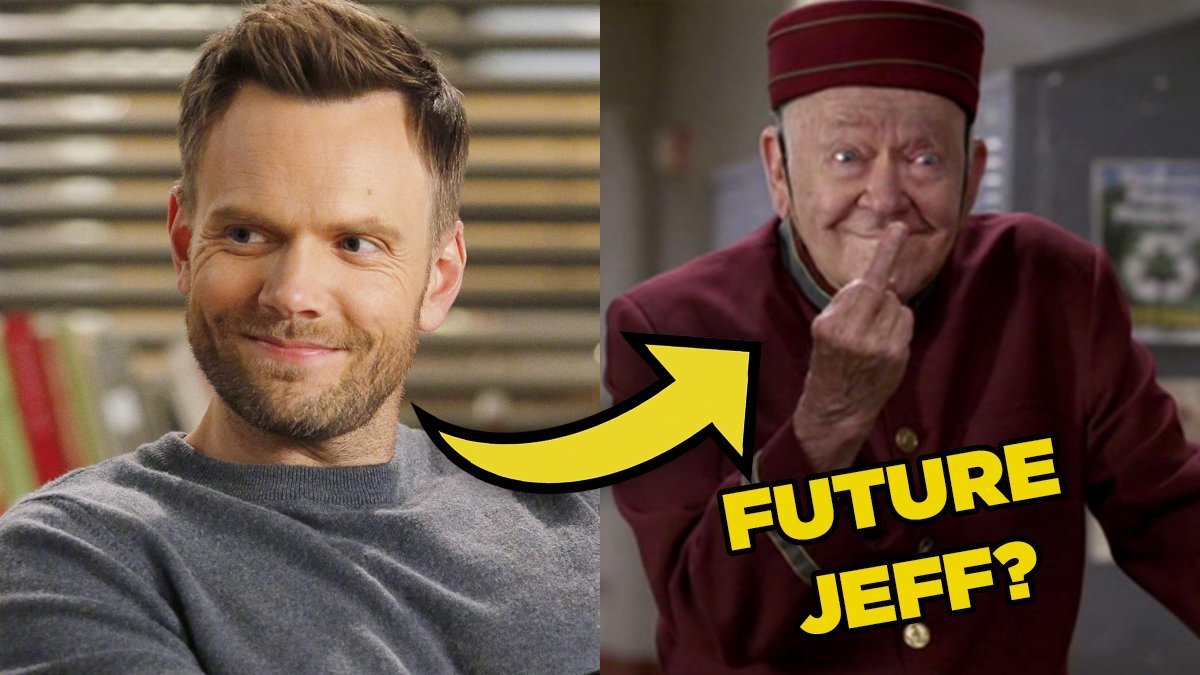
The best stories don't just unfold on screen; they erupt in our minds, ignite conversations, and build vibrant communities. This is the power of Fan Theories, Speculation, and Community Engagement, a phenomenon transforming passive viewing into an interactive, collective adventure. When we dissect a new episode, pore over game lore, or predict a character's fate, we're not just consumers—we're active participants, weaving ourselves into the very fabric of the narrative.
From the deepest corners of Reddit to the trending topics on TikTok, millions of fans are collaborating, debating, and celebrating the universes they love. This isn't just a niche hobby; it's a driving force behind modern entertainment, making stories feel more alive, more personal, and infinitely more immersive.
At a Glance: Why Fan Theories Matter
- Transforms Consumption: Turns watching/playing into an interactive, communal experience.
- Drives Engagement: Encourages deeper analysis, re-watching, and lore exploration.
- Builds Community: Fosters vibrant online spaces where fans connect and collaborate.
- Deepens Emotional Bonds: Creates stronger attachments to characters and narratives.
- Influences Creators: Developers and showrunners sometimes draw inspiration or drop hints.
- Sparks Creativity: Fuels fan art, fan fiction, video essays, and other expressive forms.
- Comes with Risks: Can lead to polarization and heated debates if not managed respectfully.
Beyond the Screen: The Irresistible Pull of Collective Storytelling
Remember that feeling when a TV show ended, or you finished a gripping game, and you just had to talk about it? That's the spark. Fan theories are what happen when that spark catches fire, spreading across digital landscapes and creating a blaze of collective thought. It's an evolution from simple water-cooler chatter to sophisticated, crowdsourced narrative analysis.
This isn't about mere gossip; it's about active participation. Fans dissect every frame, every line of dialogue, every hidden detail. They piece together fragmented clues, searching for meaning beyond the obvious. This meticulous engagement isn't just for fun; it makes us better, more attentive observers. A survey indicates that over 70% of players engage in these online communities, with a staggering 80% motivated to explore deeper lore specifically because of theories they encounter. It’s a testament to the fact that when you give an audience a puzzle, they’ll commit themselves to solving it.
The Digital Water Coolers: Where Speculation Thrives
Where does all this brainpower converge? Today's online landscape offers fertile ground for fan theories to take root and flourish.
- Reddit: Subreddits dedicated to specific shows, games, or franchises are absolute goldmines for deep dives. Think r/GameTheories or r/asoiaf (A Song of Ice and Fire). Here, theories are often presented with extensive evidence, cited sources, and rigorous debate, often gaining hundreds of upvotes and thousands of comments.
- Twitter: The fast-paced nature of Twitter makes it ideal for immediate reactions, live-tweeting theories during new releases, and viral predictions. Hashtags become central hubs for real-time speculation.
- TikTok: Short-form video lends itself perfectly to quick theory breakdowns, visual evidence, and engaging discussions, often reaching massive audiences with easily digestible content.
- Discord Servers: These private, often invite-only communities provide a more intimate and sustained environment for detailed discussions, role-playing, and collaborative theory building, turning disparate fans into close-knit groups.
These platforms aren't just for sharing; they're for building. They're the digital forums where viewers and players transcend their role as passive consumers, transforming into active participants who collectively push the boundaries of narrative understanding.
The Deep Dive: How Theories Build Emotional Bonds and Buzz
It's not just about solving puzzles; it's about forging connections. Fan theories don't just enhance comprehension; they deepen emotional connections to the stories we love. When you discuss a character's potential motivations or a looming plot twist with fellow fans, you're investing a piece of yourself into that narrative. You're exploring fresh perspectives on character arcs, understanding their struggles and triumphs in new ways. An estimated 65% of players attribute their emotional investment in a game to these community discussions. It's the shared vulnerability, the collective 'what if,' that creates a more profound and lasting bond.
Think about games like "Five Nights at Freddy's" or "Hollow Knight." Their deliberately mysterious narratives are practically designed to fuel speculation. The communities surrounding these games aren't just discussing plot points; they're actively co-creating the meaning of the worlds, filling in the blanks with intricate, often brilliant, theories that enrich the official lore and foster incredibly strong community ties. This collective quest for answers generates immense buzz, keeping the content relevant and exciting long after its initial release.
Creators and Community: A Symbiotic Dance
One of the most fascinating aspects of fan theories is the delicate interplay between creators and their audience. The wall between production and consumption, once rigid, has become delightfully porous.
Listening In: When Developers Take Note
Creators across TV and gaming have recognized the power of their engaged communities. They actively acknowledge, and sometimes even incorporate, fan theories into their work. This can manifest in several ways:
- Plot Inspiration: A particularly compelling fan theory might spark an idea for a future storyline or character development.
- Dropping Hints: Creators might subtly (or not-so-subtly) hint at theories, confirming or denying them in clever ways, further fueling engagement.
- Easter Eggs: A nod to a popular theory or a specific fan-created term can make fans feel truly seen and valued.
This isn't about handing over creative control; it's about a conversation. When creators engage with fan speculation, they acknowledge the audience's investment, which in turn deepens that investment. It elevates the narrative, leading to more complex and multifaceted stories that feel responsive and alive. Consider how discussions around futuristic concepts might influence new content—you might even find unexpected parallels in narratives like those found when you Explore Speed Racer: The Next Generation, where new ideas build on existing legacies.
Beyond the Theory: Fan Creativity Unleashed
The impulse to speculate often spills over into broader creative expression. Fan theories become springboards for entirely new forms of content, showcasing diverse interpretations and cultivating a truly collaborative culture. - Fan Art: Artists bring theoretical scenarios, imagined character designs, or speculated plot twists to life, often garnering hundreds of thousands of views and becoming iconic within the fandom.
- Fan Fiction: Writers explore alternative timelines, "what if" scenarios, or delve deeper into character backstories, expanding the universe beyond its official boundaries.
- Video Essays: These analytical deep dives combine visual evidence, expert commentary, and articulate arguments to deconstruct complex theories, often attracting millions of views and shaping the discourse around a franchise.
This outpouring of creativity is a powerful testament to the immersive nature of fan engagement. It's a feedback loop where theories inspire art, which in turn inspires more theories, creating a vibrant, self-sustaining ecosystem of fandom.
Navigating the Nuances: The Pitfalls and Best Practices of Speculation
While largely a force for good, the world of fan theories isn't without its challenges. Like any passionate community, there are potential pitfalls to be aware of.
The Double-Edged Sword: Polarization and Disagreement
When theories are passionately held, disagreements can quickly escalate. What starts as a healthy debate can sometimes devolve into heated arguments, leading to community divides and even toxic environments. When one theory gains widespread acceptance, those who hold alternative views might feel marginalized or attacked. It’s crucial for communities to remember that healthy discourse, even when debating the validity of a theory, requires mutual respect.
The Influence Equation: Content Creators and Their Sway
In today's digital landscape, certain content creators—particularly prominent YouTube personalities or influential bloggers—can inadvertently (or intentionally) shape discussions and elevate specific theories. Their platforms give them a loud voice, and while this can be beneficial for spreading well-researched ideas, it also means less popular or nuanced theories might get overshadowed. Critical thinking is key here: always evaluate the evidence, not just the popularity of the presenter.
Cultivating Healthy Discourse: Rules for Engagement
So, how do we keep the conversation constructive and enjoyable?
- Lead with Evidence: A good theory isn't just a hunch; it's built on textual or visual evidence from the source material. Be prepared to back up your claims.
- Be Open to Debate: The joy of theories is the discussion itself. Approach differing opinions with curiosity, not hostility. Be willing to have your mind changed.
- Respectful Language: Even when you disagree vehemently, maintain civility. Ad hominem attacks or dismissive language shut down conversation.
- Acknowledge Speculation: Clearly distinguish between confirmed lore and your own interpretation or theory. It sets appropriate expectations for others.
- Curate Your Feed: If a particular corner of the internet becomes too negative, don't be afraid to mute, block, or seek out more positive communities.
Maintaining a community-driven culture of theory creation, built on respect and shared passion, is paramount to keeping these spaces vibrant and enjoyable for everyone.
Your Role in the Collective Narrative: How to Engage Responsibly
Feeling inspired to jump into the fray? Here’s how you can become a valuable, contributing member of the theory community.
Finding Your Tribe: Where to Speculate
- Start with Subreddits: Search for the official (or largest fan-run) subreddits for your favorite shows, games, or books. Many have dedicated theory threads or flair.
- Explore Discord: Look for Discord server links within those subreddits or on creator-focused fan wikis.
- Follow Analysts on YouTube/TikTok: Find creators who specialize in deep dives on content you love. Their comment sections and associated Discords can be great entry points.
- Fan Wikis: Many comprehensive fan wikis include sections for popular theories, often with citations, making them excellent starting points for understanding existing speculation.
Crafting Your Own Theory: A Step-by-Step Guide
- Identify a Mystery: What unexplained event, character motivation, or plot hole has always bothered you?
- Gather Evidence: Go back to the source material. Re-watch scenes, re-read passages. Screenshot visual clues, note specific dialogue. The more concrete evidence, the stronger your theory.
- Formulate a Hypothesis: State your theory clearly and concisely. What is your proposed explanation?
- Connect the Dots: How does your evidence support your hypothesis? Look for patterns, recurring motifs, or subtle foreshadowing.
- Consider Counter-Arguments: What are the weaknesses of your theory? What evidence contradicts it? Acknowledging these makes your theory more robust.
- Share and Discuss: Present your theory respectfully, inviting others to discuss, critique, and add their own insights.
Being a Good Community Member
Remember that every interaction is a chance to build up the community. Praise thoughtful theories, offer constructive criticism, and always strive to elevate the conversation. The collective intelligence of a dedicated fandom is immense, and your contribution, big or small, plays a part in that. Engaging with others, even through disagreements, strengthens the overall experience, fostering a richer understanding of the stories we all cherish.
The Future of Fandom: Ever-Evolving Stories
The landscape of entertainment is constantly evolving, and with it, the potential for fan theories grows. As narratives become more interactive, spanning multiple media, and integrating elements like AI or VR, the opportunities for community-driven speculation will only expand. Imagine exploring a virtual world where your collective theories could subtly influence future content updates, creating an even more dynamic feedback loop between creators and fans.
The lasting impact of fan theories is clear: they transform entertainment from a one-way street into a bustling, collaborative marketplace of ideas. They prove that stories truly belong to everyone who loves them, and that by working together, we can uncover depths and meanings far beyond what any single creator—or viewer—might initially perceive. So, keep speculating, keep discussing, and keep enriching the worlds that captivate us all. Your active engagement doesn't just drive immersive entertainment; it is immersive entertainment.