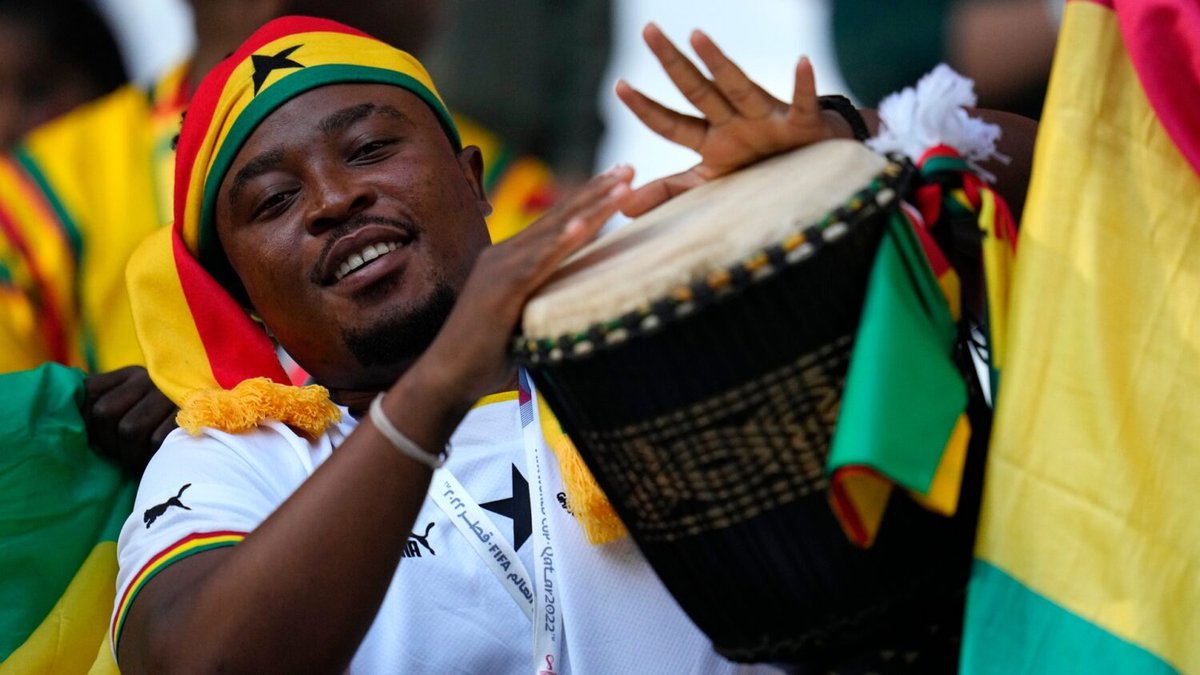
For decades, the term "fan" conjured images of obsessed individuals, dismissed as "geeky" or fixated on "trivial" popular culture. But this narrow view dramatically misses the vibrant, complex world of Fan Culture & Interpretations, where audiences don't just consume media—they actively engage, critique, create, and even reshape the narratives they love. Far from passive recipients, fans are dynamic participants, breathing new life into stories, characters, and entire fictional universes.
This isn't just about enjoying a show; it's about building communities, developing nuanced understandings, and even challenging creators to evolve. It's a rich tapestry of social practices, shared knowledge, and deep emotional connections that profoundly impacts both individual identity and the broader media landscape.
At a Glance: The Power of the Active Audience
- Beyond Stereotypes: Forget the "obsessed loner." Modern fan culture is diverse, creative, and highly social.
- Active Engagement: Fans are not passive consumers; they "poach" meanings, interpret, and produce new content.
- Community Builders: Fandom thrives on collective action, from conventions to online forums.
- Cultural Capital: Within fan communities, knowledge and expertise are valuable assets, creating distinct hierarchies.
- Shaping Media: Fans influence creators and contribute to a "participatory culture" that impacts story development and franchise longevity.
- Social Media's Impact: Digital platforms have globalized fan culture, amplifying diverse voices and accelerating interpretive processes.
Challenging the "Cultural Dupes" Narrative: Fans as Keen Interpreters
Historically, popular culture fans often faced a condescending gaze. Unlike "connoisseurs" of high culture, fans of television shows, movies, and comics were frequently portrayed as uncritical, overly emotional, or simply obsessed with frivolous matters. This perspective saw audiences as "cultural dupes"—easily manipulated by media corporations, passively absorbing whatever content was fed to them.
Enter figures like Henry Jenkins, a pivotal scholar who fundamentally challenged this simplistic view. Jenkins argued that fans are anything but passive. Instead, they are "active builders of their own culture" who "poach" meanings and interpretations from media texts. They don't just consume stories; they dissect them, reinterpret them, and often, reconstruct them in new and imaginative ways. This isn't a sign of intellectual deficiency; it's evidence of a sophisticated aesthetic sense and a keen ability to discriminate within their chosen objects of fandom.
Fans, Jenkins posited, develop extensive knowledge and expertise. They feel a deep sense of ownership over their beloved stories and characters, and they actively seek intimacy with their chosen objects, aiming to break down the traditional barriers between audience and text. This engagement transforms a mere preference into a significant aspect of cultural and self-identity, distinguishing true "fans"—who claim a cultural identity based on their fandom—from "followers" who might engage more casually without such a deep personal investment.
Beyond Private Affection: The Collective Heartbeat of Fan Culture
While individual appreciation for a pop cultural text, celebrity, or sports team is common, "fan culture" refers to something much more organized and communal. It’s the socially structured activities and shared practices that transform individual affection into collective expression. This collective action is where fandom truly flourishes, creating spaces for shared passion and creative output.
Think about the sheer diversity of activities within fan culture:
- Conventions: Events like Comic-Con, Star Wars Celebration, or dedicated anime conventions are massive gatherings where fans meet creators, celebrate their interests, and connect with fellow enthusiasts.
- Fan Clubs & Online Message Boards: From early fanzines to modern Discord servers, these spaces provide platforms for discussion, debate, and the sharing of insights and theories.
- Fan Fiction (Fanfic): A cornerstone of participatory culture, fanfic sees fans writing their own stories using existing characters and settings. This can range from exploring alternative plotlines to delving deeper into character psychology or pairing characters in new relationships.
- Fanzines: Historically, these self-published magazines were vital for sharing news, art, and critical essays within niche communities. While largely replaced by digital platforms, their spirit lives on in online blogs and independent fan publications.
- Filking: A specific subgenre of fan activity, particularly common in sci-fi fandom, where fans write new lyrics to existing tunes, often creating songs about their favorite shows or characters.
- Costuming/Cosplay: The art of dressing up as characters from media, often involving intricate craftsmanship and performance. Cosplay isn't just about imitation; it's an act of embodied interpretation and celebration.
These collective practices highlight why researchers studying fan culture must move beyond debates about "authenticity." The value of fan engagement isn't diminished whether it's expressed privately or through grand communal spectacles. Both contribute to the rich tapestry of fan interpretations.
The Capital of Fandom: Expertise, Status, and Networks
Just like in any complex social system, fan communities develop their own forms of hierarchy, status, and influence. These dynamics can be understood through key sociological theories, which reveal how knowledge, connections, and creative output become valuable assets within fandoms.
Pierre Bourdieu's work on cultural distinction provides a foundational lens, suggesting that people accrue status through their knowledge and taste. Within fandoms, this concept is particularly potent.
- Fan Cultural Capital (John Fiske): Fiske introduced this idea to describe the specialized knowledge and literacy that fans acquire about their chosen media. This isn't just trivia; it's a deep understanding of lore, character arcs, production details, and critical interpretations. The more you know, the more "cultural capital" you possess within the fandom.
- Subcultural Capital (Sarah Thornton): Building on Fiske, Thornton focused on capital specific to a particular subculture. In fandom, this might mean possessing obscure knowledge, owning rare merchandise, or demonstrating a nuanced understanding of a specific niche within a broader fandom. For instance, being an expert on the early seasons of a show might grant you more subcultural capital in that specific community.
- Fan Social Capital (Matt Hills): Hills emphasized the importance of networks and connections. Being well-connected within a fandom, knowing influential fans, or having access to exclusive groups or events all contribute to your "fan social capital." This network allows for the exchange of information, collaboration, and mutual support.
These forms of capital aren't just theoretical; they play out in tangible ways. Fans who consistently offer insightful analyses, produce high-quality fan works, or organize successful community events often gain recognition and influence. Nick Couldry even introduced "media's meta capital," where fans who act as key media sources (like reliable leakers) or administrators of popular fan sites accrue significant prestige, becoming "subcultural celebrities" in their own right. They command attention not just from fellow fans, but sometimes even from the creators themselves.
Fans as Creators and Critics: Shaping a Participatory Culture
The idea of fans as mere consumers is increasingly outdated. Today, fan culture thrives on active audience participation, where individuals not only critique and celebrate media but also reinterpret it, often influencing creators directly. This is the essence of what Jenkins termed "participatory culture."
In a participatory culture, the lines between producer and consumer blur. Fans don't just wait for the next installment; they engage in conversations, speculate about plot points, and produce their own content—from fan theories and analytical essays to elaborate fan art, music, and entire new narratives (fanfic). This constant dialogue and creative output become a feedback loop that creators often monitor and sometimes even integrate.
Consider the impact of fan campaigns that have saved cancelled shows, influenced casting decisions, or even spurred new seasons or spin-offs. Fan feedback, particularly when organized and passionate, can be a powerful force. This doesn't mean creators are entirely beholden to fans, but it highlights a significant shift in power dynamics. Fans, through their collective voice and creative output, become co-creators of meaning, actively shaping the ongoing narrative and legacy of their beloved texts.
The vibrant community built around the classic animated series, for example, demonstrates how fan enthusiasm can sustain interest across generations, leading to new iterations and interpretations. For those eager to delve into how classic series evolve, you might want to Explore Speed Racer The Next Generation and see how a beloved franchise reinvents itself for new audiences. This shows how enduring fandom can literally fuel new creative endeavors.
The Social Media Revolution: Globalizing Fandom and Shifting Power
The advent of social media has profoundly transformed fan culture, acting as both an accelerator and a global connector. Before platforms like Twitter, Tumblr, and Reddit, fan communication was often localized and slower—relying on snail mail, fanzines, or IRC chat rooms. Now, global communication is instant and seamless.
This instantaneous global reach has several critical implications:
- Fostering Diverse Voices: Social media provides a platform for a multitude of voices from different cultural backgrounds, leading to richer and more varied interpretations of media texts. A fan in Tokyo can instantly share their perspective with a fan in New York, sparking discussions that might never have happened before.
- Accelerated Interpretation: Theories, memes, and fan art can go viral in hours, collectively building and shifting the understanding of a new episode or movie release in real-time. This collective sense-making process is a hallmark of modern fandom.
- Direct Creator-Fan Interaction: Social media allows fans to directly engage with creators, actors, and writers, often leading to unprecedented transparency and a sense of closeness. While this can be a double-edged sword, it undeniably strengthens the participatory aspect of fan culture.
- Reshaping Power Dynamics: The globalization of fan communities, particularly visible in transnational fandoms (like K-Pop or anime), challenges traditional notions of authorship and ownership. When millions of fans worldwide interpret, translate, and remix content, the idea of a single, authoritative creator becomes less defined.
This constant, global conversation amplifies fan interpretations, giving them a reach and influence that was unimaginable just a few decades ago. It means that understanding fan culture today inherently requires understanding the dynamics of digital communication and global networks.
Beyond Consumption: The Performativity of Fan Identity
It's tempting to view fans simply as consumers, albeit active ones. However, Matt Hills proposes "performative consumption," suggesting that fans "perform" their identities in incredibly complex ways. This isn't just about buying merchandise; it's about enacting their fandom.
Performative consumption highlights that being a fan involves a degree of self-awareness and self-expression. When someone cosplays, writes fanfic, or passionately debates a theory online, they are not just consuming; they are performing their connection to the media. This performance is both a personal expression and a public declaration of identity.
Crucially, Hills's concept moves beyond simplistic views of fans. It acknowledges that these performances can be both reflexive (consciously chosen and crafted) and non-reflexive (deeply ingrained habits and ways of being). For many, their fan identity becomes a meaningful aspect of their overall cultural and self-identity, a way of understanding themselves and presenting that self to the world. It’s a core part of who they are, not just what they watch or read.
Navigating Fandom's Nuances: Avoiding "Authenticity" Traps
One pitfall researchers and fans alike can fall into is the "authenticity" debate. This often involves trying to determine who is a "real" fan versus a "fake" or "casual" one. Such debates usually privilege visible, collective fan engagement (like attending conventions or producing fanworks) over individual, private affection.
The reality is that fandom is a spectrum. A person who silently re-watches their favorite show annually and deeply contemplates its themes is no less a fan than someone who spends thousands on cosplay and attends every convention. Both represent valid forms of engagement and interpretation. The insights derived from studying individual "private affection" can be just as valuable as those from observing large-scale communal events.
To truly understand fan culture, we must embrace this breadth of experience. Dismissing certain forms of engagement as "less authentic" only narrows our understanding of how deeply and widely media texts resonate with diverse audiences. The power of fan culture lies in its inclusivity and the multitude of ways people connect with the stories that matter to them.
The Road Ahead: Exploring Deeper Dimensions of Fandom
The study of fan culture is a continually evolving field, with researchers constantly seeking new lenses through which to understand its complexities. Future research aims to delve into several promising areas:
- Structuration Theory: This sociological theory, developed by Anthony Giddens, examines how human agency and social structures interact. Applied to fandom, it could explore how individual fan actions both shape and are shaped by the established norms and structures of fan communities.
- Post-Marxist Work on Commodification: How do fan-produced content and activities get co-opted or commodified by media industries? What are the economic implications when fan creativity becomes a marketing tool?
- Post-Durkheimian Work on Ritual: Émile Durkheim's work on social rituals offers a framework to analyze the shared experiences and collective effervescence of fan events like conventions or online "watch parties." How do these rituals reinforce community bonds and shared meanings?
- Comparative Studies of Transnational Fan Cultures: As social media fosters global fandoms, understanding the similarities and differences in how fan cultures operate across various nations and languages is crucial. How do cultural contexts influence fan interpretations and practices?
These theoretical approaches promise to unveil even deeper insights into the sociological, psychological, and economic forces at play within fan communities, further solidifying their importance in cultural studies.
Embracing the Active Audience: What This Means for Creators and Consumers
The journey through Fan Culture & Interpretations reveals a powerful truth: audiences are not passive. They are active, intelligent, creative, and deeply invested participants in the media ecosystem. This understanding carries significant implications for everyone involved:
For Creators and Media Industries:
- Listen and Engage: Acknowledge and respect the passion of your fanbase. Engaging in dialogue, even if challenging, can foster loyalty and provide invaluable insights.
- Understand the Interpretive Space: Recognize that once a text is released, its meaning is negotiated and expanded by the audience. Embrace, rather than fear, diverse interpretations.
- Leverage Participatory Culture: Thoughtfully integrate fan feedback and creativity. This doesn't mean giving up artistic control, but understanding how fan engagement can extend a property's life and meaning.
- Avoid Alienating Your Base: Understand the "cultural capital" and "ownership" fans feel. Major changes or retcons without careful consideration can severely damage goodwill.
For Consumers and Fans: - Embrace Your Agency: Understand that your engagement, critique, and creative output contribute to a larger cultural conversation. Your voice matters.
- Recognize Diverse Fandoms: Value the various ways people express their love for media, whether publicly or privately. There's no single "right" way to be a fan.
- Engage Critically: While passion is powerful, maintaining a critical perspective helps deepen your understanding and prevents falling into echo chambers.
- Build Communities: Seek out and contribute to healthy fan communities. These spaces offer camaraderie, intellectual stimulation, and a shared sense of belonging.
Ultimately, fan culture is a dynamic testament to the enduring power of storytelling and the human need for connection and meaning. By understanding its nuances, we move beyond outdated stereotypes to truly appreciate the active, interpretive role audiences play in shaping the media landscape.