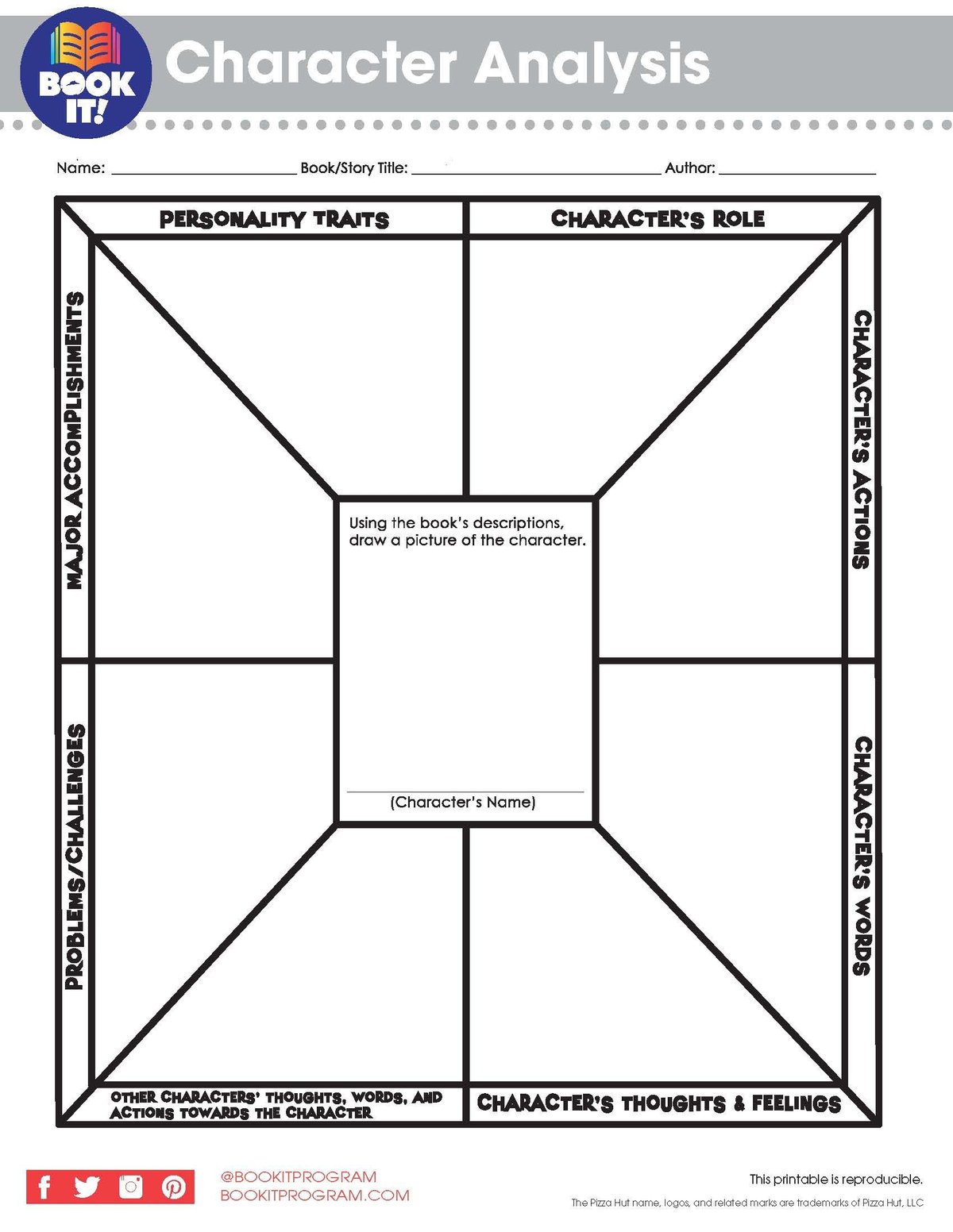
Ever found yourself completely absorbed in a story, not just by its plot twists but by the sheer magnetic pull of its characters? It’s more than just following their journey; it’s about understanding them – their history, their choices, the very essence of their being. This profound connection is often the result of masterful Character & Lineage Analysis, whether the author performed it implicitly during creation or you, the reader, engage in it explicitly. It’s the secret sauce that transforms a good story into an unforgettable experience.
As a seasoned storyteller and critic, I can tell you that dissecting a character and tracing their lineage isn't just an academic exercise. It's a superpower for unlocking deeper narrative meaning, developing empathy, and even sharpening your own creative insights. Think of it as a deep-sea dive into the human (or alien, or fantastical) psyche, revealing the hidden currents that drive a story forward.
At a Glance: Key Takeaways for Deeper Character Analysis
- Dynamic Characters are Gold: Focus on characters who evolve and drive the plot, not just static figures.
- Read with Purpose: Reread critically, specifically tracking your chosen character's every appearance and interaction.
- Notes are Your Best Friend: Document everything – descriptions, dialogue, relationships, conflicts, and transformations.
- Formulate a Thesis: Develop a central argument about the character's significance, motivations, or journey.
- Structure Your Analysis: Organize your insights into a coherent essay with a clear introduction, analytical body paragraphs, and a strong conclusion.
- Back it Up: Always use specific textual evidence (quotes and paraphrases) to support your claims.
- Analyze, Don't Summarize: Go beyond recounting events; explain why characters act as they do and what it reveals.
- Beyond the Individual: Consider how a character's background and relationships (their "lineage") shape them.
Why Characters Aren't Just Walking Plot Devices
Characters are the beating heart of any narrative. They’re the vessels through which themes are explored, conflicts are realized, and emotions are evoked. Without compelling characters, even the most intricate plot can fall flat. Mastering Character & Lineage Analysis allows you to move beyond simply enjoying a story to truly comprehending its architecture and artistry.
This isn't about finding "the right answer" but rather about formulating a well-supported interpretation. It hones your critical thinking skills, teaches you to observe nuances, and perhaps most importantly, cultivates empathy by forcing you to step into another's shoes and understand their world, their struggles, and their triumphs. It's a fundamental aspect of understanding exploring literary themes in any work.
Finding Your Focus: Choosing the Right Character to Analyze
Before you grab your metaphorical magnifying glass, you need a subject. Not all characters are created equal when it comes to offering rich analytical fodder.
Spotting Dynamic vs. Flat Characters
The golden rule for character analysis? Choose a dynamic character.
- Dynamic Characters are those who undergo significant internal change over the course of the story. They learn, they grow, they falter, they evolve. Their experiences shape them, and they, in turn, drive much of the plot. These are the characters with depth, contradictions, and fascinating arcs. Think about a character like Odysseus, whose perilous journey fundamentally transforms him, or even the protagonists in a compelling series like Speed Racer The Next Generation who often face personal growth challenges alongside their racing rivals.
- Flat Characters (or static characters), on the other hand, typically remain unchanged. They might serve a specific function in the plot or provide comic relief, but they lack the internal complexity that makes for a rewarding analysis. While they play their part, they don’t offer the same rich soil for exploration.
Look for characters who wrestle with internal conflicts, whose motivations are complex, and whose actions have significant repercussions on the story world and other characters.
The Protagonist & Antagonist Dance
While you can analyze any dynamic character, the protagonist and antagonist often offer the most fertile ground.
- The protagonist is the main character, the one whose journey we follow, often facing the central conflict. Analyzing them helps us understand the story's core message and emotional impact.
- The antagonist is the opposing force, often a character, but sometimes a societal norm or even an internal struggle. Understanding the antagonist's motivations and methods can illuminate the protagonist's challenges and the story's broader themes. Their clash is often central to understanding story arcs and narrative tension.
Your Detective Toolkit: Steps for a Killer Character Analysis
Once you’ve chosen your character, it’s time to don your detective hat. This isn't just about reading; it's about active, inquisitive engagement with the text.
Step 1: Reread with Purpose (Active Reading)
This is where the magic truly begins. Your first read-through was for enjoyment; this one is for investigation. Reread the story specifically with your chosen character in mind. Pay excruciatingly close attention to:
- Every instance they appear: Don't miss a single line where they're present or even mentioned.
- Authorial descriptions: How does the narrator describe their physical appearance, mannerisms, thoughts, and feelings?
- Their dialogue: What do they say? How do they say it? What do their words reveal about their personality, education, or social standing?
- Their actions: What do they do? How do their choices impact the plot and other characters? Are their actions consistent with their words?
- Their relationships: How do they interact with family, friends, foes, and strangers? Are they a leader or a follower?
- Their struggles: What internal (personal doubts, moral dilemmas) and external (opposing forces, societal pressures) conflicts do they face?
Every detail is a clue.
Step 2: Note-Taking Like a Pro (Capturing the Clues)
As you read, don't just passively absorb. Actively capture your observations. This could involve:
- Annotating directly in the text: Underline key phrases, circle descriptive words, jot down questions or insights in the margins.
- Using a separate notebook or digital document: Create sections for different aspects of the character (e.g., "Appearance," "Dialogue," "Conflicts").
- Employing sticky notes: Mark significant passages for easy reference.
Record specific page numbers or paragraph references. This meticulous note-taking is crucial for later providing textual evidence. Think of yourself as building a comprehensive dossier on your character.
Step 3: Crafting Your Central Argument (The Thesis)
After gathering all those rich notes, step back and look for patterns, contradictions, and central ideas. What's the most significant, compelling thing you can say about this character? What argument about their role, motivations, or transformation can you sustain throughout your analysis?
Your thesis statement is your main idea – a concise, arguable claim that your entire essay will support. It should be more than a summary; it should present an interpretation.
- Too broad/summary: "Hamlet is a conflicted character."
- Better (arguable interpretation): "Hamlet's inability to reconcile his intellectual nature with the demands of revenge ultimately leads to tragic inaction, revealing the destructive nature of excessive contemplation."
Your thesis will guide your entire analysis, ensuring every paragraph contributes to your central argument.
Step 4: Building Your Blueprint (The Outline)
With your thesis in hand, it’s time to organize your notes into a coherent structure. An outline acts as your roadmap, ensuring a logical flow and comprehensive coverage.
- Start with your thesis statement.
- Identify 2-4 main points that directly support your thesis. These will become the topic sentences of your body paragraphs.
- Under each main point, list the specific textual evidence (quotes, paraphrases, scene descriptions) you’ve gathered that illustrates that point.
- Consider how each point flows into the next, creating a natural progression of ideas. Note any "complicating factors" – nuances or contradictions that add depth to your character, as a truly dynamic character is rarely one-dimensional.
Anatomy of a Deep Dive: What to Analyze in a Character
Now let's break down the specific components you'll be examining within your outline. Each of these elements offers a window into the character's psyche and their place in the narrative.
The Outer Shell: Physical Appearance & Presentation
How a character looks is rarely arbitrary. Authors use physical descriptions to reveal personality, social status, inner turmoil, or even their fate.
- What to look for: Hair color, clothing, body shape, posture, distinctive features (scars, eyes), grooming habits.
- What it reveals: Does their attire suggest meticulousness or disarray? Poverty or wealth? Are they strong or frail? What does a recurring detail like a specific piece of jewelry or a tired slump of the shoulders communicate about their inner state or history? Quote or paraphrase these descriptions and then explain their significance.
The Blueprint of Self: Background & Origins
A character isn’t born in a vacuum. Their history—their lineage—shapes who they are.
- What to look for: Birthplace, family relationships, upbringing, social class, education, significant past events (trauma, triumphs).
- What it reveals: How does their childhood influence their adult personality? Do they carry the weight of family expectations or a traumatic past? Does their education make them rational or cynical? Understanding their background is crucial for understanding their current motivations and outlook. This is where narrative crafting techniques often rely on a rich backstory to give characters depth.
The Voice of Being: Language Use & Dialogue
Words are powerful. How a character speaks—and what they choose to say or withhold—can reveal volumes.
- What to look for: Vocabulary, dialect, slang, formal or informal speech, tone (sarcastic, kind, aggressive), speech impediments, changes in speech patterns, unspoken thoughts.
- What it reveals: Are they educated or unrefined? Confident or insecure? Sincere or manipulative? Does their language reflect their social standing or cultural background? Pay attention to subtext—what isn't explicitly said but is implied through their dialogue. Does their language evolve as they change?
The Inner Workings: Personality, Values & Motivations
This is the core of character analysis: delving into their inner world.
- Understanding Motivation: Dreams, Fears, and Hidden Desires: What truly drives their actions? Is it ambition, love, fear, revenge, a desire for justice, or a yearning for acceptance? What are their deepest dreams and most profound fears? Authors often hint at motivations through internal monologues or character interactions.
- Actions Speak Louder: Behavior and Choices: Observe what the character does. Do they act impulsively or thoughtfully? Are they generous or selfish? Do their actions align with their stated values, or do they reveal hypocrisy? Consider the consequences of their actions.
- Others' Eyes: How They're Perceived: How do other characters describe or react to them? Are they respected, feared, admired, despised? These external impressions can either confirm or complicate your understanding of the character, sometimes revealing a gap between their self-perception and how the world sees them.
- The Weight of a Name: Nicknames and Their Meaning: Does the character have a nickname? Who gave it to them, and why? Nicknames can be affectionate, derogatory, or symbolic, often revealing a specific aspect of their personality or role.
Tangled Webs: Relationships with Other Characters
No character exists in isolation. Their relationships are critical mirrors, foils, and catalysts.
- What to look for: Interactions with family (parents, siblings, spouses), friends, mentors, rivals, and enemies.
- What it reveals: Do they lead or follow? Are they loyal or deceitful? Do they bring out the best or worst in others? How do their relationships change, and what does that tell us about their development? An antagonist's relationship with the protagonist, for instance, often underscores their opposing philosophies.
The Crucible: Conflict, Change & Transformation
Dynamic characters are defined by how they face and are changed by conflict.
- Navigating Internal Struggles: These are battles within the character's own mind or heart – moral dilemmas, identity crises, conflicting desires. For example, a character torn between duty and personal desire.
- Facing External Forces: These are conflicts with outside forces – other characters, society, nature, fate. A character battling a tyrannical ruler or surviving a natural disaster.
- The Journey of Change: Crucially, analyze how these conflicts cause the character to transform. Do they grow stronger, more compassionate, or perhaps more cynical and broken? Are they better or worse off by the story's conclusion? This analysis is essential for understanding the overall message of the story and appreciating the nuances of elements of plot development.
Weaving Your Narrative: Structuring Your Analysis Essay
Now that you have all your analytical components, it's time to assemble them into a cohesive and persuasive essay.
Your Opening Statement: The Intriguing Introduction
Forget calling it "Introduction." Think of it as your "Hook & Thesis."
- Hook: Start with a compelling sentence or two that grabs the reader's attention and introduces the character and the literary work.
- Background: Briefly provide any necessary context without giving away too much plot (assume your reader has some familiarity with the work).
- Thesis: Clearly present your central argument about the character. This should be the last sentence of your introduction.
Building Your Case: The Body Paragraphs
Each body paragraph should focus on a single aspect of the character that supports your thesis. Use descriptive, benefit-driven subheadings in your outline, reflecting the points you're making (e.g., "The Weight of a Troubled Past" or "A Façade of Indifference").
- Topic Sentence: Begin each paragraph with a clear topic sentence that states the main idea of that paragraph and links back to your overall thesis.
- Analysis: Develop your point by explaining how this aspect of the character contributes to your overall argument.
- Evidence: Support your claims with specific textual evidence (quotes or paraphrases) from the story.
- Explanation: Elaborate on how the evidence proves your point. This is where the PIE method comes in handy (Point, Illustrate, Explain).
- Transition: Ensure a smooth transition to the next paragraph.
Sealing the Deal: The Memorable Conclusion
This isn't just a summary; it's your final opportunity to make a lasting impression.
- Restate Thesis (in new words): Reiterate your main argument, but use different phrasing.
- Summarize Key Points: Briefly remind the reader of the major insights you've discussed without introducing new information.
- Final Insight: End with a profound thought, a broader implication, or a reflection on the character's enduring significance or the story's overall message. What greater understanding have we gained about human nature or the world through this character?
The Gold Standard: Supporting Your Claims with Evidence
Your analysis is only as strong as the evidence you provide. Think of yourself as a lawyer presenting a case: you need proof.
The PIE Method: Point, Illustrate, Explain
This is a simple yet powerful framework for integrating evidence:
- Point: State your argument or observation about the character. (e.g., "Scrooge's initial miserly nature is deeply rooted in a fear of poverty and isolation.")
- Illustrate: Provide a quotation or paraphrase from the text that serves as evidence for your point. (e.g., "Dickens describes him as 'a squeezing, wrenching, grasping, scraping, clutching, covetous old sinner!'")
- Explain: Elucidate how the evidence supports your point. Connect the dots for your reader. (e.g., "This relentless string of negative adjectives not only emphasizes his extreme greed but also suggests a character constantly battling scarcity, driven by a desperate need to hoard and control, perhaps a reaction to a childhood devoid of warmth and security.")
Integrating Evidence Seamlessly: Anchoring Your Quotes
Never drop a quotation into your essay like a brick. Always integrate it smoothly into your own sentence.
- Incorrect: "Scrooge was mean. 'a squeezing, wrenching, grasping, scraping, clutching, covetous old sinner!'"
- Correct: Dickens vividly portrays Scrooge as "a squeezing, wrenching, grasping, scraping, clutching, covetous old sinner!" underscoring his pervasive avarice.
- Correct: The narrator emphasizes Scrooge's avarice, describing him as "a squeezing, wrenching, grasping, scraping, clutching, covetous old sinner!"
Your words should introduce the quote, provide context, and explain its significance.
Finding the Balance: Your Voice vs. the Text's Voice
While evidence is crucial, your analysis should be primarily your interpretation. Aim for your own words to comprise about 90% of your essay, with direct quotations making up around 10%. Over-quoting can make your essay feel like a summary rather than an analysis, a common pitfall in mastering descriptive writing. You're the expert interpreting the data, not just presenting it.
Beyond the Pages: The Real-World Value of Character & Lineage Analysis
The skills you hone through character analysis extend far beyond literary criticism.
Developing Empathy and Critical Thinking
By deeply engaging with a character's motivations, struggles, and transformations, you naturally develop a greater capacity for empathy. You learn to understand perspectives different from your own, to see the complexities in human behavior, and to recognize that actions often stem from a web of interconnected experiences and beliefs. This translates into stronger interpersonal skills and a more nuanced understanding of the world around you.
Sharpening Your Own Storytelling Skills
If you're an aspiring writer, analyzing characters like this is invaluable. It teaches you how master storytellers build compelling figures, how they use dialogue to reveal personality, how physical details can foreshadow fate, and how conflicts drive growth. You'll learn to craft more believable, multi-dimensional characters in your own work, making your stories resonate deeply with readers.
Common Pitfalls to Avoid in Your Analysis
Even experienced analysts can stumble. Here are some common traps to steer clear of:
- Summary vs. Analysis: The biggest mistake. Don't retell the plot. Your job is to explain the plot's significance through the lens of your chosen character. Every sentence should be an interpretation, not a synopsis.
- Ignoring Counter-Evidence: Truly dynamic characters often have contradictions or moments where their behavior seems inconsistent. Don't ignore these; analyze them. They often reveal deeper complexities or impending change.
- Weak Thesis Statements: A thesis that's too obvious, too vague, or merely a statement of fact won't provide a strong foundation for your essay. Strive for an arguable interpretation.
- Over-Quoting: As mentioned, let your voice lead. Use quotes sparingly and strategically, always integrating and explaining them thoroughly.
- Personal Bias: While empathy is key, try to avoid imposing your own values or judgments onto the character unless directly supported by the text. Analyze what the author reveals, not what you wish the character were.
Your Next Chapter: Taking Your Analytical Skills Further
Character & Lineage Analysis is a journey, not a destination. The more you practice, the more intuitive and insightful your readings will become. Start by picking a favorite book or film, choose a character you find intriguing, and apply these steps. Don't be afraid to reread passages, challenge your initial assumptions, and dig deeper.
Every character holds a universe within them, waiting to be explored. By mastering the art of Character & Lineage Analysis, you're not just understanding stories better; you're understanding humanity a little more profoundly, one compelling character at a time. The skills you cultivate here are foundational for any meaningful engagement with narrative, whether as a reader, a critic, or a creator.