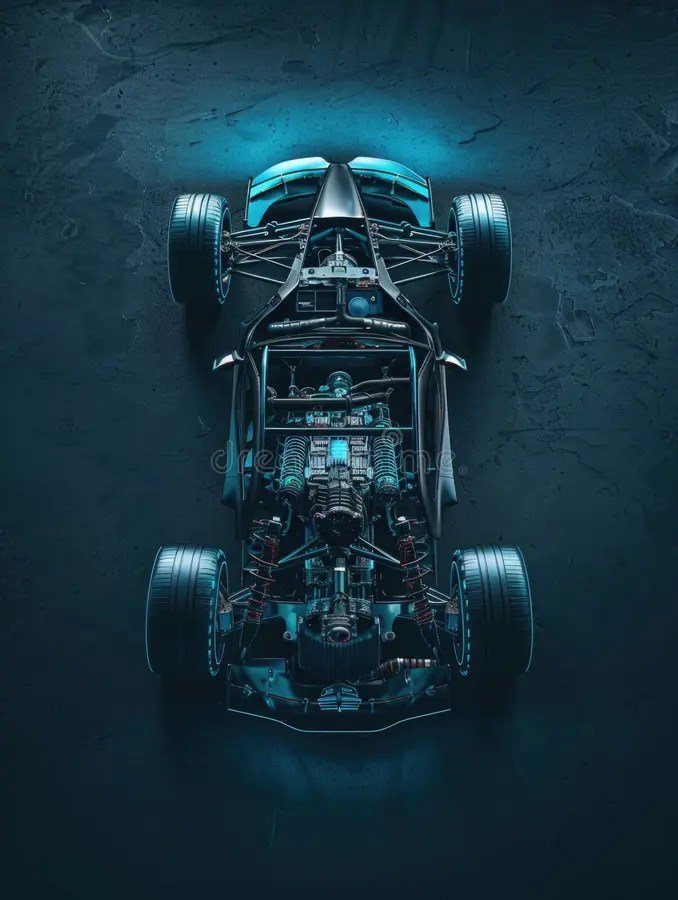
The roar of an engine, the blur of a chassis, the precise ballet of a pit stop – this isn't just sport; it's a high-stakes laboratory where Advanced Racing Technology & Vehicle Evolution relentlessly push the boundaries of what's possible. For decades, the crucible of competitive racing has been the ultimate proving ground, taking groundbreaking innovations from abstract ideas to tangible, track-dominating realities that redefine speed, safety, and efficiency.
What began with basic mechanical tweaks and rudimentary aerodynamics has morphed into an intricate dance of artificial intelligence, real-time data analytics, and hyper-connected systems. This constant evolution doesn't just decide championships; it directly influences the cars you'll drive in the future, making racing one of humanity's most compelling innovation accelerators.
At a glance: What you’ll discover about racing's technological leap
- Data is King: How real-time telemetry and advanced analytics transform strategy and performance.
- AI's Influence: The role of artificial intelligence in predictive modeling and optimizing race decisions.
- Mastering the Air: The secrets behind cutting-edge aerodynamics, from wings to diffusers.
- Power & Efficiency: The evolution of engines, including hybrid and electric powertrains.
- Material Science: How lightweight, high-strength materials enhance speed and safety.
- Unseen Control: The sophistication of suspension, braking, and electronic management systems.
- Driver Protection: The continuous advancements in driver safety, pushing the limits of survival.
- Beyond the Track: How racing innovations trickle down to everyday consumer vehicles.
- The Future Vision: What's next in sustainable racing, connectivity, and fan engagement.
The Relentless Pursuit: Why Racing Drives Innovation
Car racing isn't merely about who crosses the finish line first; it's a brutal, beautiful contest of engineering prowess. Every millisecond, every degree of tire wear, every shift in wind direction is scrutinized. This extreme environment demands constant innovation, forcing engineers and designers to solve problems that seem impossible under regular circumstances. The technologies that thrive here – those that deliver measurable gains in performance, safety, or efficiency – are the ones that endure, eventually shaping not just the next championship car, but often the very cars we drive on public roads.
The Digital Revolution: Racing's Brainpower Upgrade
The modern race car is less a purely mechanical beast and more a supercomputer on wheels. The shift from "feel" to "data" has been monumental, granting teams an unprecedented understanding of their vehicles and the race itself.
Real-Time Insights: Telemetry and Data Analytics
Imagine a thousand sensors, each tirelessly reporting on every aspect of a car's performance – speed, G-forces, brake temperature, tire degradation, fuel consumption, engine RPMs, even driver heart rate. This deluge of information, known as telemetry, is streamed live from the car to the pit wall.
Engineers, armed with sophisticated data analytics software, process this firehose of data in real-time. They can spot a developing issue before the driver even feels it, recommend strategic adjustments mid-lap, or predict optimal pit stop windows with uncanny accuracy. This isn't just about reacting; it's about anticipating. Historical data combined with predictive models allows teams to simulate different scenarios, understanding how changes in track conditions, tire compounds, or even competitor behavior might play out. This constant feedback loop is the bedrock of modern racing strategy, allowing for decisions backed by hard numbers, not just instinct.
The AI Advantage: Predictive Power and Strategic Refinement
Layered on top of raw data is the intelligence of Artificial Intelligence (AI). AI algorithms crunch vast datasets, identifying patterns and making predictions far beyond human capacity. For instance, AI can analyze tire wear rates under varying track temperatures and G-forces to predict the exact lap a tire might "fall off" its performance cliff.
This capability extends to refining entire race strategies. AI-powered simulations can run millions of permutations of pit stop timings, fuel loads, and power deployment strategies in minutes, optimizing for the highest probability of success. It's like having a hyper-intelligent coach perpetually running "what-if" scenarios, guiding decisions from pre-race setup to the final sprint. This isn't about replacing human intuition, but augmenting it with an unparalleled depth of insight.
Virtual Victories: Software and Simulation
Before a single wheel touches the tarmac, modern race cars live and die in the digital realm. Simulation software allows teams to create incredibly accurate virtual models of their vehicles and racetracks. Engineers can experiment with countless setup changes – suspension stiffness, wing angles, differential settings – and immediately see their impact on lap times, tire wear, and handling characteristics. This drastically reduces the need for expensive and time-consuming physical testing.
Driver simulators, on the other hand, provide an immersive virtual environment for drivers. They can learn new tracks, practice tricky corners, and even replicate race conditions – including traffic and variable grip – all from the safety of the simulator cockpit. This translates to drivers arriving at a race weekend with a deep understanding of the track and a refined driving style for the specific car setup, maximizing their potential from the very first practice session.
The Connected Car: Communication & Connectivity
Imagine a conductor leading an orchestra, but the musicians are racing at 200 mph. That's the essence of connectivity and communication in racing. High-speed, low-latency networks, often utilizing advanced 5G technology, ensure that the torrent of telemetry data flows seamlessly between the car and the pit wall.
This isn't just about data; it's about dialogue. Radio communication allows drivers and engineers to converse instantly, discussing car balance, strategy changes, or potential hazards. But beyond voice, high-speed data links can deliver crucial information directly to the driver's display or even support Augmented Reality (AR) overlays for enhanced situational awareness. In the world of milliseconds, constant and crystal-clear information flow is paramount for coordinated action and rapid strategic adjustments, much like the dynamic world envisioned for Speed Racer Next Generation.
Forging the Future: Physical Edge and Performance Engineering
While digital systems provide the brains, the physical components still define the brawn and agility of a race car. Here, innovation focuses on manipulating physics to extract every ounce of performance.
Mastering the Air: Aerodynamics
Aerodynamics is the art and science of cheating the wind. At racing speeds, air is a formidable opponent, creating drag that slows the car and lift that reduces grip. Modern racing aerodynamics are incredibly sophisticated, designed to generate massive downforce – essentially pushing the car into the track for maximum grip – while minimizing drag.
Technologies like wind tunnel testing and Computational Fluid Dynamics (CFD) simulations are indispensable. These tools allow engineers to visualize airflow over and under the car, identifying areas for improvement. Key components include:
- Adjustable Front and Rear Wings: These aren't just for show; they're precisely sculpted airfoils that can be tweaked to balance downforce between the front and rear axles, critical for stability and cornering.
- Diffusers: Located at the rear underside of the car, diffusers accelerate airflow beneath the vehicle, creating a low-pressure area that "sucks" the car to the track, significantly increasing downforce.
- Vortex Generators: Small fins or bumps that create controlled vortices in the airflow, helping to manage air separation and reduce drag, or direct air to other aerodynamic elements more efficiently.
Heart of the Beast: High-Performance Engines
The engine remains the beating heart of any racing machine, and its evolution has been relentless. From pure Internal Combustion Engines (ICE) to sophisticated Hybrid Engines (combining ICE with electric motors) and now fully Electric Engines (as seen in Formula E), the focus is always on maximizing power output, efficiency, and reliability under extreme loads.
Innovations like turbocharging and supercharging force more air into the engine, dramatically boosting power. Precise fuel injection systems deliver fuel with atom-like accuracy, optimizing combustion for both power and efficiency. In hybrid systems, Energy Recovery Systems (ERS) capture kinetic energy during braking, converting it into electrical power that can be deployed for bursts of acceleration, showcasing the clever integration of power sources.
Lightweight, Lean, and Lethal: Advanced Materials
Every gram counts in racing. Reducing a car's overall weight directly translates to better acceleration, braking, and handling. This drives the continuous search for advanced materials that offer incredible strength-to-weight ratios and resilience.
- Carbon Fiber Composites: The undisputed king, carbon fiber is incredibly strong and stiff yet remarkably light. It's used for chassis, bodywork, wings, and structural components, providing unmatched safety and performance.
- Titanium: Known for its lightweight properties, high-temperature resistance, and corrosion resistance, titanium is perfect for components like exhaust systems, suspension parts, and fasteners.
- Kevlar: While not as common for structural elements, Kevlar provides impact resistance and is often found in safety features like helmets and specific protective panels. The development of these materials often influences automotive manufacturing, leading to lighter, more fuel-efficient consumer cars.
The Grip of Glory: Suspension, Tires, and Handling
Putting power down and navigating corners at speed demands a finely tuned interface with the track. Suspension systems like Double Wishbone and Multi-Link configurations offer engineers precise control over wheel movement, allowing for optimal tire contact patch and adaptability to varying track surfaces.
Adjustable dampers (shocks) allow teams to fine-tune the suspension stiffness, rebound, and compression characteristics, tailoring the car's handling for different track conditions or driver preferences. Furthermore, sophisticated Electronic Stability Control (ESC) systems subtly adjust braking and engine power to help maintain control during extreme maneuvers.
Tire technology is a science in itself. Specialized tires are developed for specific conditions:
- Slick tires provide maximum grip on dry tracks due to their large contact patch.
- Wet tires feature grooves designed to disperse water and prevent hydroplaning.
- Intermediate tires strike a balance for mixed or damp conditions.
Tire Pressure Monitoring Systems (TPMS) provide real-time data to ensure tires are always operating at their optimal pressure, crucial for performance and safety.
Stopping Power: Brakes
What goes fast must stop faster. Racing brake systems are miracles of engineering. Carbon Ceramic Brakes offer superior stopping power, incredible fade resistance under extreme heat, and are significantly lighter than traditional steel brakes. In hybrid and electric vehicles, Regenerative Braking systems play a dual role: not only slowing the car but also converting kinetic energy back into electrical energy to recharge batteries, blending performance with efficiency. This synergy of stopping power and energy recovery showcases a holistic approach to vehicle dynamics.
Safety First: Protecting the Pilots
While performance often grabs headlines, the quiet hero of racing technology is safety. Every innovation in speed is often matched, if not preceded, by an equally critical advancement in protecting drivers and marshals.
The track is a dangerous place, and technology has transformed safety from reactive measures to proactive prevention and protection. Advanced crash structures are designed to absorb and dissipate massive impact forces, protecting the driver's survival cell. The Safer Barrier System (energy-absorbing walls) has revolutionized trackside protection, significantly reducing the severity of impacts.
Inside the cockpit, drivers benefit from enhanced helmet technology, offering multi-layered protection and often integrated with communication systems. The HANS (Head and Neck Support) device is mandatory across most series, preventing debilitating head and neck injuries in front impacts. Multi-point safety harnesses firmly anchor the driver, distributing forces evenly. Fire suppression systems automatically deploy in the event of a fire, and the controversial but life-saving Halo device provides crucial head protection from debris and impacts. Even telemetry plays a safety role, monitoring driver health metrics and vehicle integrity to flag potential issues before they become catastrophic. The continuous drive for safety is a testament to the industry's commitment to its human assets.
The Green Grid: Hybrid, Electric, and Sustainable Racing
The future of racing isn't just fast; it's increasingly green. Environmental consciousness is driving a significant shift in racing technology, pushing for more sustainable practices.
Electrifying the Track: Hybrid and Electric Technologies
The advent of hybrid and electric technologies marks a pivotal moment. Formula 1's highly complex hybrid powertrains use Energy Recovery Systems (ERS) to capture waste heat and kinetic energy, converting it into electrical power for strategic boosts. This showcases a blend of traditional combustion with electric efficiency.
Meanwhile, fully electric racing in series like Formula E offers a glimpse into a zero-emission future, with cars powered solely by batteries and electric motors. These series aren't just about entertainment; they are living laboratories for battery management, electric motor development, and rapid charging technologies that will inevitably find their way into mainstream electric vehicles. The instant torque and quiet intensity of electric racing present a new dimension of performance and engagement.
Sustainability Beyond the Powertrain
Sustainability extends beyond the engines themselves. The racing industry is actively exploring biofuels, experimenting with sustainable materials (including recyclable carbon fiber alternatives), and implementing green initiatives at racetracks to reduce waste and energy consumption. This holistic approach signals a long-term commitment to environmental responsibility, proving that peak performance and ecological mindfulness can coexist.
Beyond the Track: How Racing Shapes Your Daily Drive
The most profound impact of advanced racing technology isn't found on the podium; it's in your driveway. Racing serves as a critical proving ground, where manufacturers test and refine technologies under conditions far more extreme than any road car will ever encounter. This unforgiving environment accelerates development cycles and highlights vulnerabilities, leading to more robust and reliable solutions.
Consider the journey of innovations:
- Lightweight Materials: The carbon fiber chassis that protects a race car driver today is a direct ancestor to the lighter, stronger materials used in high-performance or fuel-efficient consumer cars tomorrow.
- Aerodynamics: Subtle aerodynamic elements on a family sedan, designed to improve fuel efficiency or reduce wind noise, often draw inspiration from racing principles honed in wind tunnels.
- Data Analytics & Telemetry: The detailed diagnostic systems that technicians use to service your car, or the sophisticated engine management systems that optimize performance and efficiency, trace their lineage back to the real-time telemetry systems pioneered in motorsport. This allows for predictive maintenance and more efficient engine operations.
- Safety Features: From anti-lock brakes (ABS) and traction control systems to advanced crumple zones and seatbelt designs, countless safety innovations born on the track have become standard features in consumer vehicles, saving lives daily.
- Hybrid & Electric Systems: The high-performance hybrid powertrains and energy recovery systems in racing are direct precursors to the efficient hybrid and electric vehicles populating our roads.
This direct integration means that every race car that screams past a grandstand is, in essence, a rolling research and development platform for the entire automotive industry. It's a continuous cycle where the pursuit of victory directly translates into safer, more efficient, and more exhilarating cars for everyone.
The cultural influence is equally significant. Racing captivates audiences worldwide, fostering an appreciation for engineering, innovation, teamwork, and precision. It inspires new generations of engineers, designers, and drivers, ensuring a continuous pipeline of talent dedicated to pushing the boundaries of vehicle evolution.
The Finish Line and Beyond: What's Next for Racing Tech
The pace of innovation in racing shows no signs of slowing. Looking ahead, the future promises even more radical transformations:
- Smarter Vehicles: Expect deeper integration of AI and machine learning, leading to highly personalized vehicle setups, predictive maintenance at unprecedented levels, and real-time self-optimization based on driver input and track conditions. Imagine a car that truly "learns" its driver and adapts its behavior instantly.
- Dominance of Electric and Hybrid Technologies: The push for sustainability will only intensify. This means rapid advancements in battery density, charging speed, and the efficiency of electric powertrains, potentially leading to racing series where energy management is as crucial as raw power.
- Enhanced Fan Engagement and Driver Training: Augmented Reality (AR) and Virtual Reality (VR) will move beyond simulation, offering fans immersive experiences and providing drivers with even more sophisticated training tools. Imagine AR overlays on driver helmets showing critical data points in real-time or VR experiences that transport fans directly into the cockpit.
- Hyper-Connectivity: The continued rollout of 5G networks will enable even faster data transfer with near-zero latency, opening doors for advanced vehicle-to-vehicle (V2V) and vehicle-to-infrastructure (V2I) communication, potentially enabling new safety protocols or dynamic race management systems.
- Robotics and Automation: While human drivers remain central, elements like pit stops and complex maintenance procedures could see further integration of robotics and automation, improving efficiency and safety for support crews.
The journey of advanced racing technology is an endless one, a perpetual quest for peak performance, unparalleled safety, and a sustainable future. It's a testament to human ingenuity, demonstrating how the extreme demands of competition can ignite breakthroughs that resonate far beyond the racetrack, fundamentally shaping the world we live in and drive through.